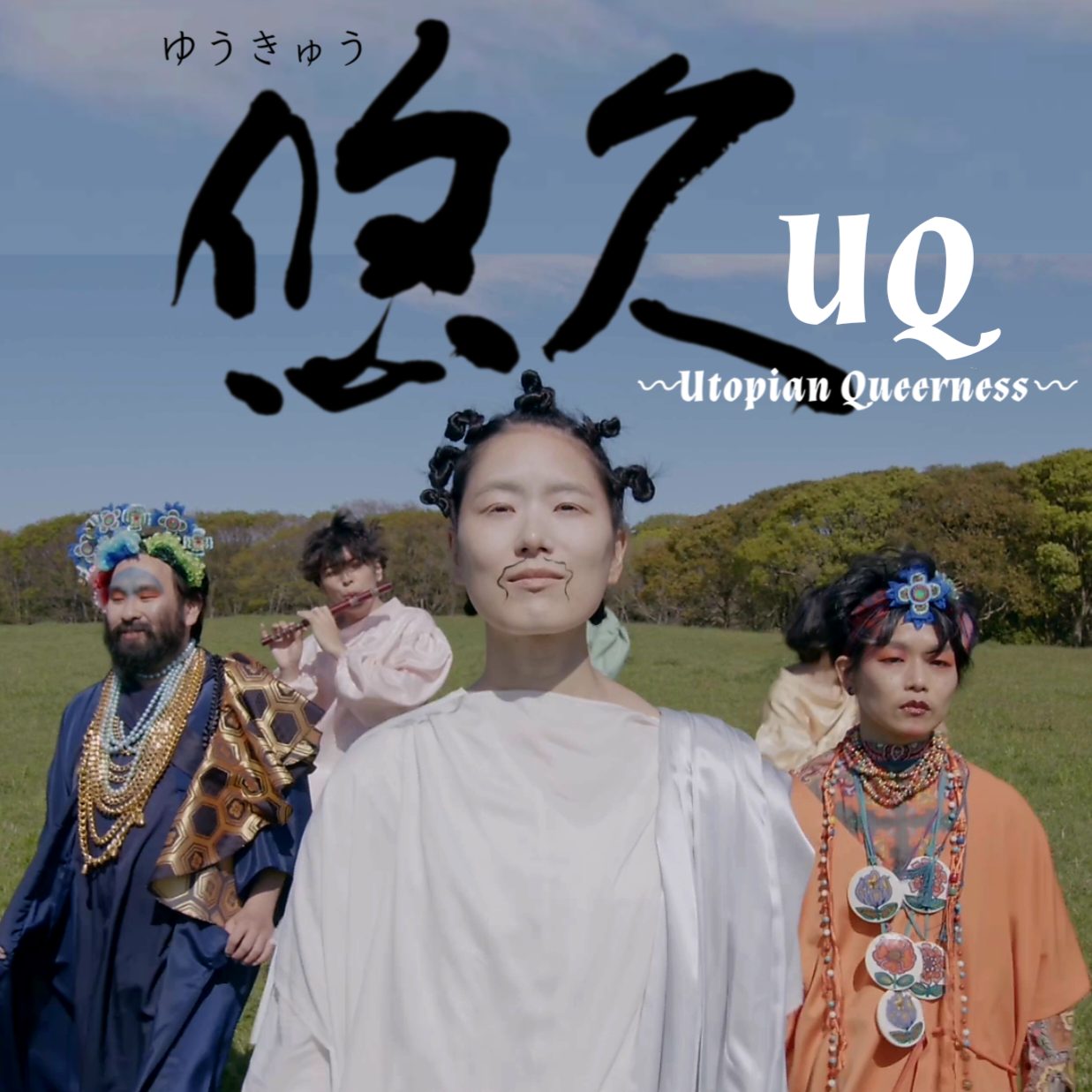
A Queer Experimental Film
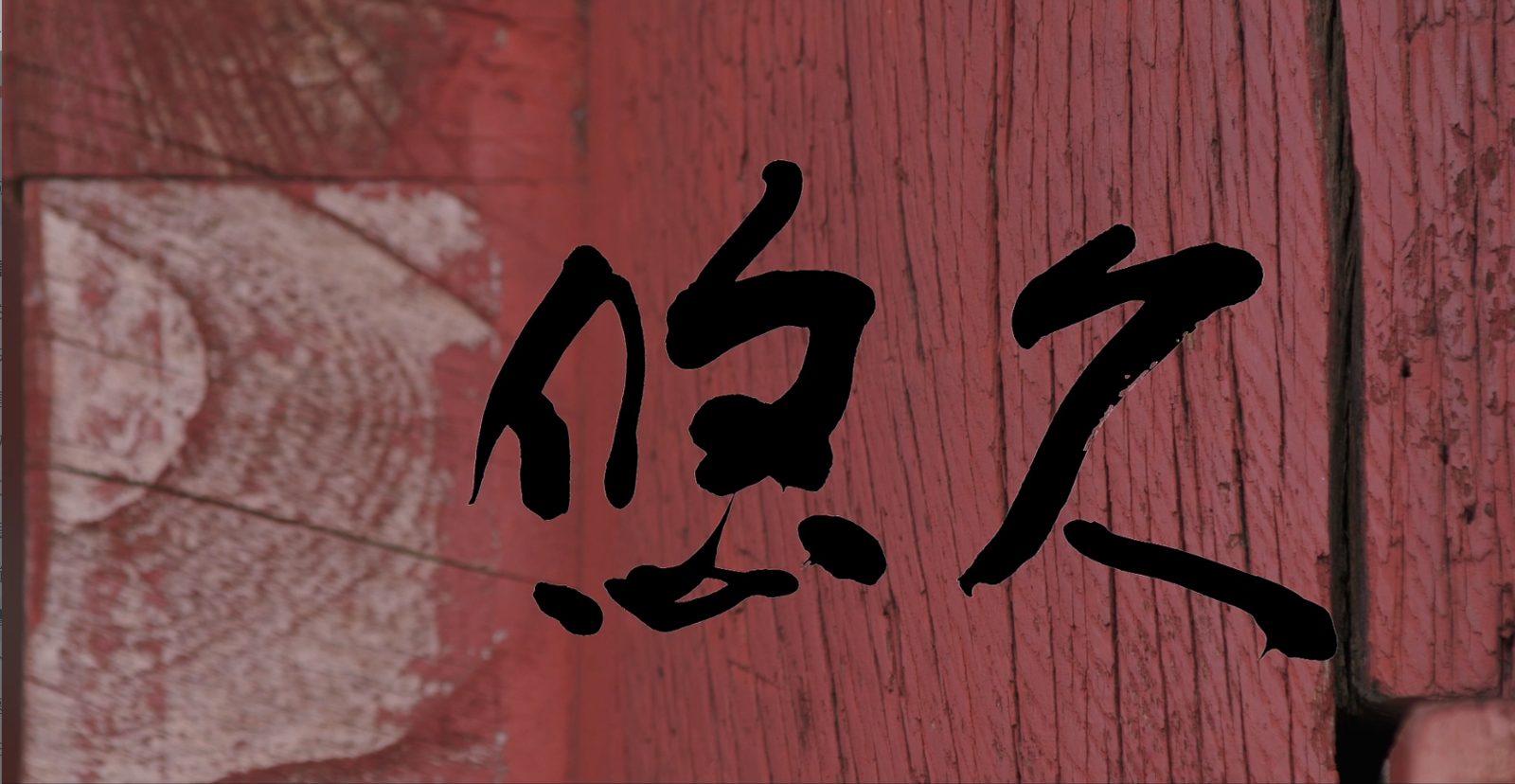
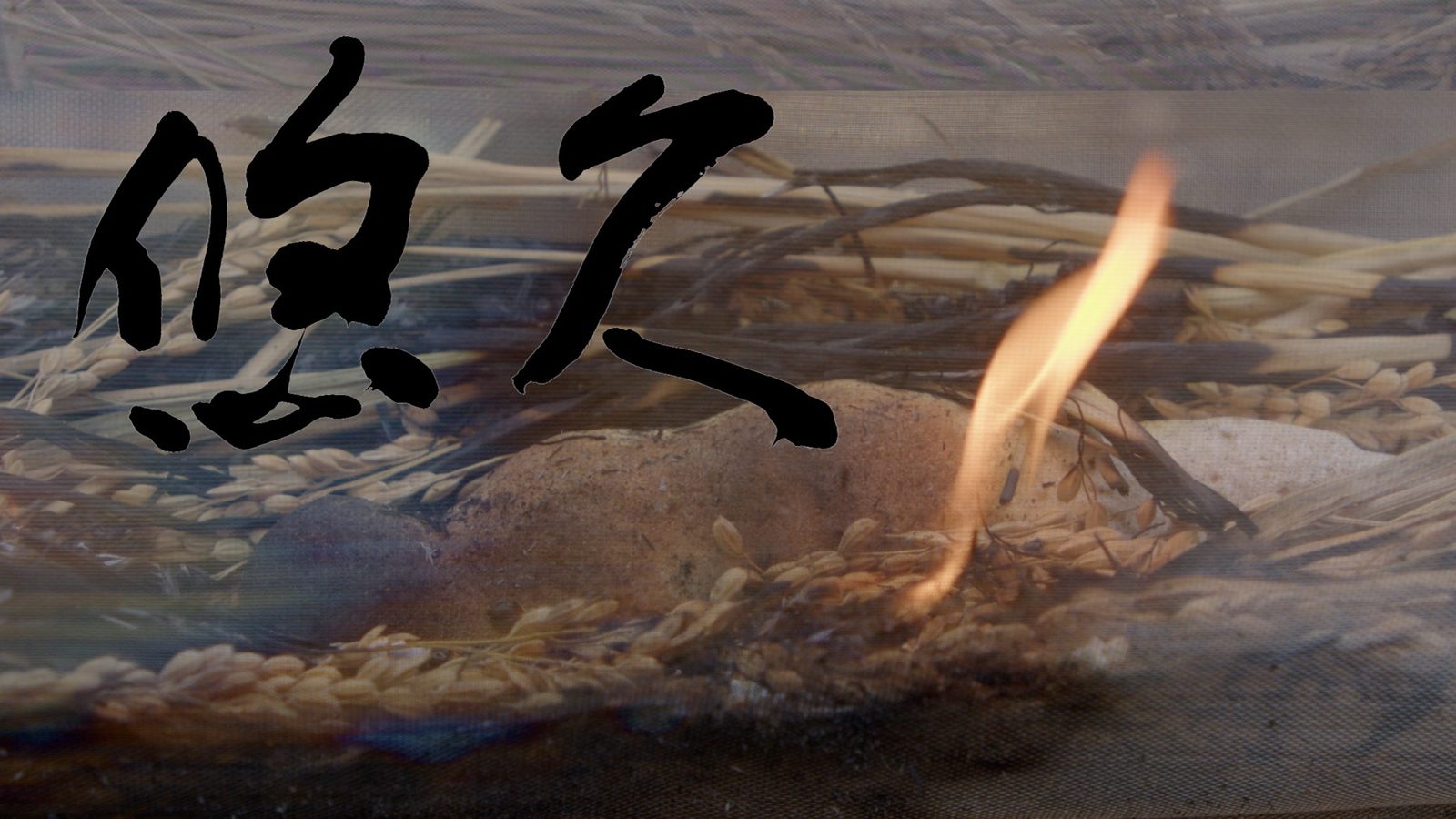
悠久UQ: Utopian Queerness
Our bodies bend the story.
Be “a stain”, refrain, and stain!
この身体が、物語を変えてゆく。何度も繰り返して「染み」になれ。
A Queer Experimental Film
Our bodies bend the story.
Be “a stain”, refrain, and stain!
この身体が、物語を変えてゆく。何度も繰り返して「染み」になれ。
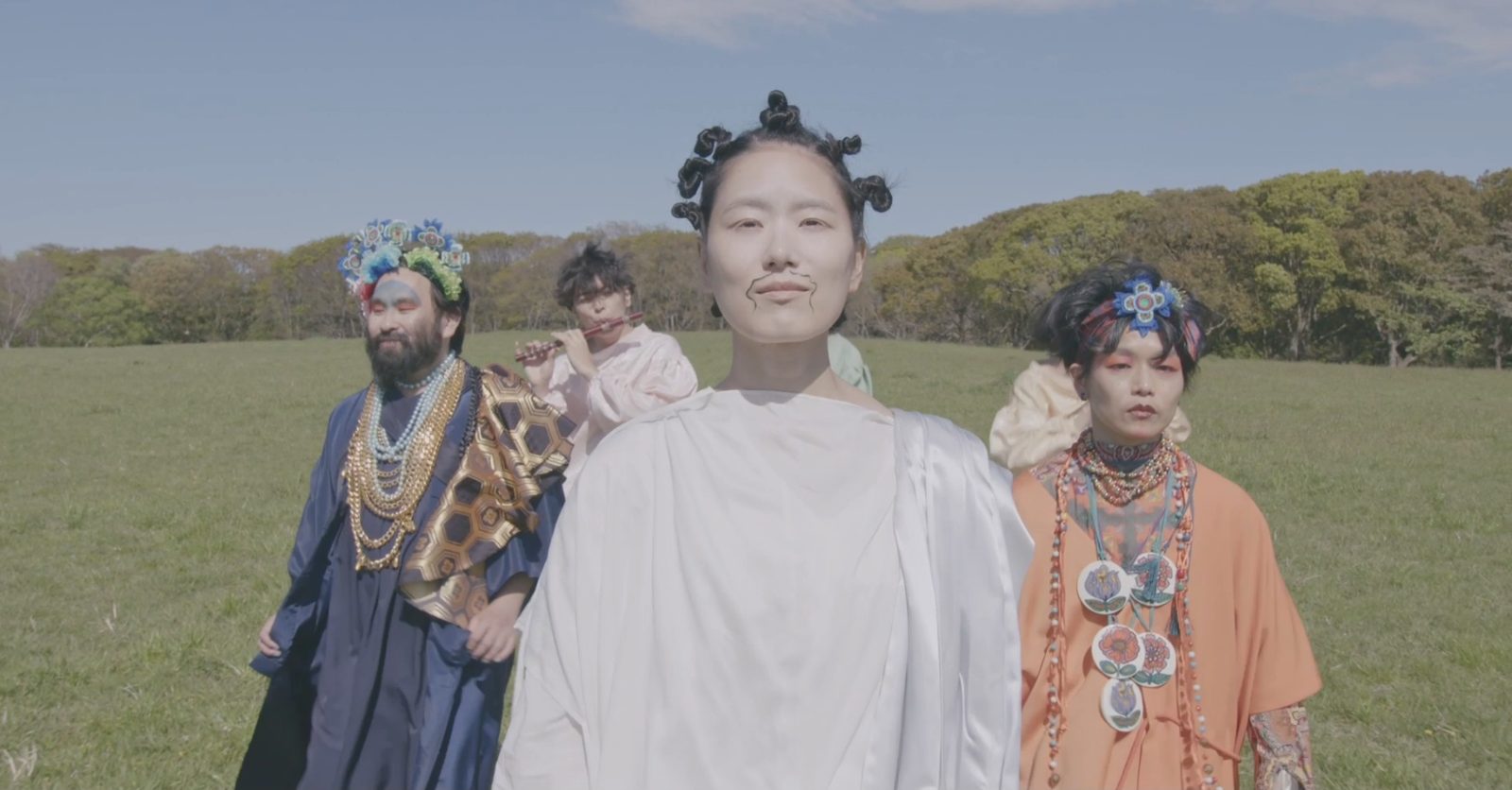
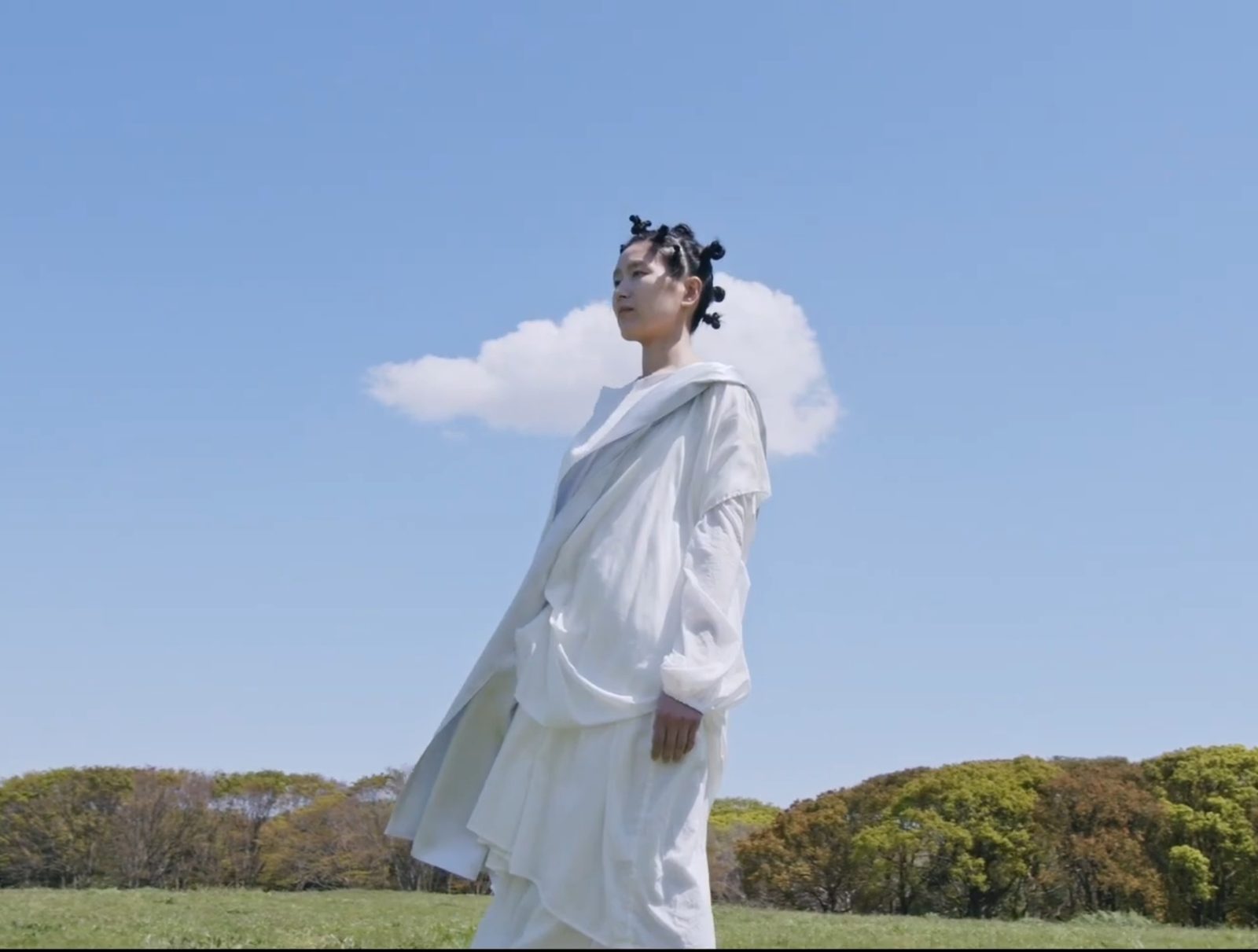
Gagaku, rap, contemporary dance, and the colours of Buddhist art. In a world where antiquity and the present fold into each other, bodies assigned “roles” by gender and age reclaim their own movement. A 24-minute experimental film that tells its story through bodies and colour, with almost no explanatory dialogue.
Japan, too, has made films about queer lives. For a long time, the suffering of minorities was often used as an emotional device to move audiences to tears. In recent years, more light-hearted entertainment films have appeared, which is a welcome change in itself. Yet many of them have lost what lies at the core of being queer.
Neither merely joyful nor merely sad. Films that portray the ways of living that grow precisely from being a minority, carrying pain while revealing strength and beauty, are still rare.
Made and performed by queer people themselves, UQ is an attempt to set a single band of colour into that gap. Here, queer bodies are neither objects of pity nor brightness made for consumption. Knowing pain, they stand on screen as subjects who sing, dance, play, and shine.
Ungen is a pattern in Buddhist art that lines up bands of different colours in steps, so that together they read as a gradient. Unlike a Western gradient, where colours blend smoothly, each colour here keeps its own edge beside the next. The film reads this as a metaphor for queer ways of living together without erasing difference. Watch for the order of colours in the costumes and on screen. The colour bands on this page follow the same idea.
Few people in Japan call themselves Buddhist, yet Buddhist motifs run through everyday life. What happens when a queer body quotes this “Japanese culture”, including the fusion of Buddhism and Shinto? It is funny, and the questions run deep. And across Shiro’s face, mid-song, a shadow of melancholy passes. Lightness and shade: this doubleness is the heart of the film. Quietly, behind it, sit the political and religious issues that queer people in Japan face.
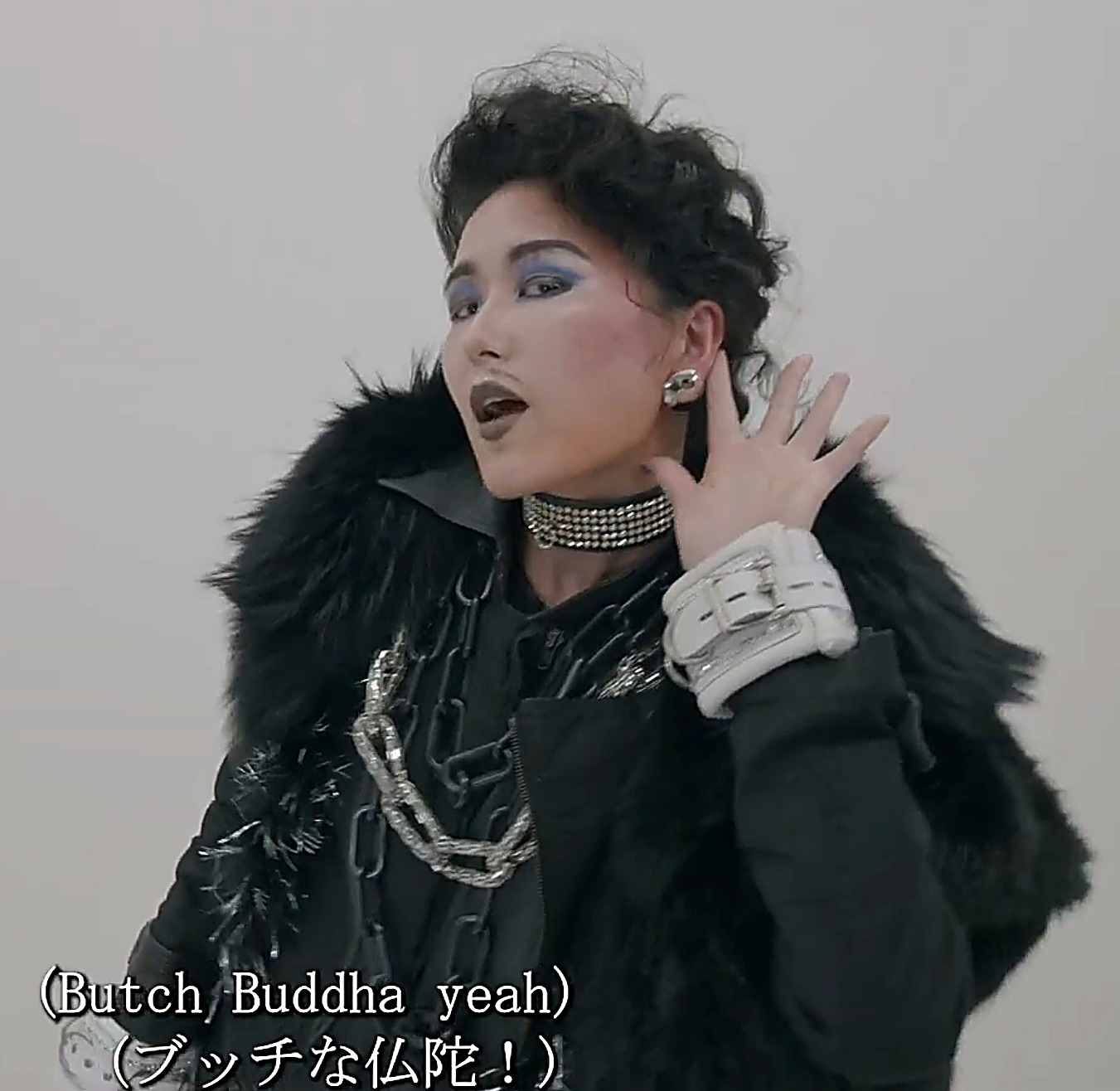
Films that explain gender and sexuality to society, and films that portray grief, are certainly needed. This film chose instead the queer vitality found in play and laughter. Rather than being consumed as a theme, I hope that after watching you feel somewhere in your body: “this way of living is kind of great.” Nothing would make me happier.
Contact kaedeitsuki.filmosophia@gmail.com